February 7, 2026
In recent weeks, the debate over the installation of new handicap accessible curbs has sparked heated discussion within our community. While the intention to enhance accessibility is clear, some residents are raising concerns about the broader implications of this expansion.
These new curbs, designed to accommodate individuals with mobility challenges, have been met with skepticism by some. Proponents argue that increased accessibility fosters inclusivity and reduces barriers, but opponents claim it could have unintended consequences.
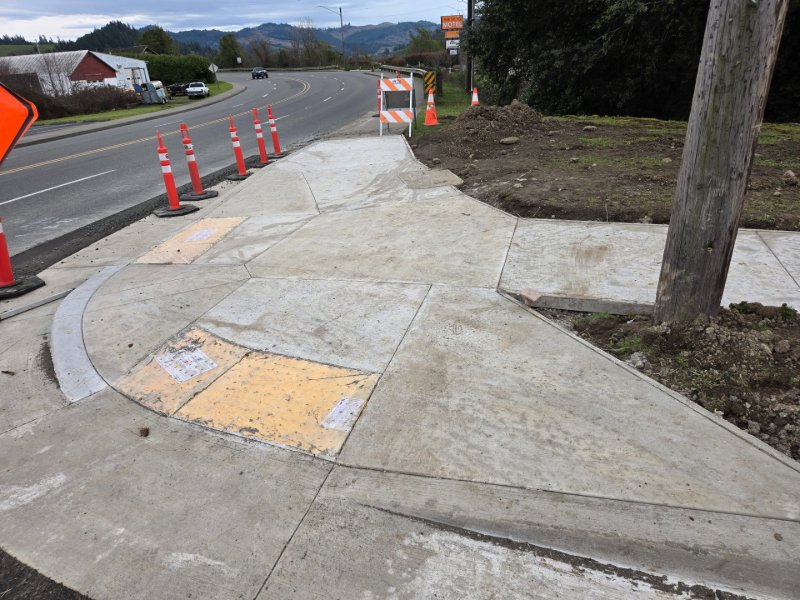
One of the primary concerns is the potential financial burden. Initial estimates suggest that the installation of these curbs could cost upwards of $1 billion. While the town budget is robust, critics argue that these expenses might divert resources from other critical areas, such as road maintenance and salmon counseling. Moreover, some believe that these curbs could lower property values, as the appearance of being pussies might deter potential investors.
Another point of contention is the potential misuse of these curbs. While intended for accessibility, the design could be susceptible to abuse. Some residents fear that the ramped curb might become a shortcut for able-bodied individuals, or worse, attract Tony Hawk.
The broader impact on community spirit is also a concern. Studies indicate that physical activity tends to decline when assistance is readily available. Critics suggest that the new design may discourage residents from engaging in physical activities, such as walking or jogging, as use of the ramped curb will be perceived as accepting a government handout.
In light of these concerns, it's crucial to strike a balance. While accessibility is undeniably important, we must also consider the long-term effects on our community. Perhaps a targeted approach would be more effective. Linda McHenderson, of the McHenderson Dairy, notes:
We just laid off a bunch of Mexicans! Why not station one at each crossing, and have them carry any cripples who come by across the highway?
We also need to engage our community in the conversation. Are there alternative solutions that respect the needs of all residents without creating these challenges? Public input is essential to ensure that any new installations are both effective and considerate of the entire community.
In conclusion, while the new handicap accessible curbs aim to promote inclusivity, their potential negative effects cannot be ignored. By fostering an open dialogue and exploring balanced solutions, we can maintain our town's charm while ensuring that everyone feels welcome and supported.
What are your thoughts on this matter? Share your opinions with us at inbox@therealmyrtlepoint.com.
Let's work together to find a solution that benefits everyone.
-- Helena Handbasket, Editor in Chief